Exploring the cultural tapestry woven by casinos in modern society
The Historical Significance of Casinos
Casinos have long been intertwined with the fabric of human culture, originating from ancient civilizations that engaged in gambling as a form of social interaction and entertainment. From the lavish games in the courts of European monarchs to the vibrant bazaars of Middle Eastern cities, the history of casinos is a testament to humanity’s affinity for chance and risk. As societies evolved, so did the structures and environments surrounding these games, often reflecting the social hierarchies and economic conditions of their times. In modern contexts, players appreciate venues that offer choices like fast payout casino options, ensuring they can quickly access their winnings.
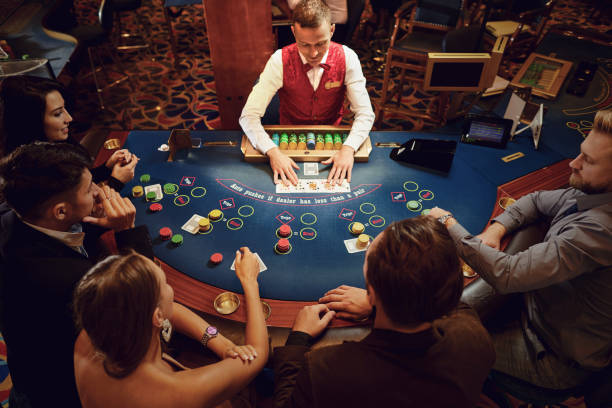
The modern casino, particularly in cities like Las Vegas and Monte Carlo, represents a fusion of luxury, entertainment, and architectural innovation. This evolution has turned casinos into cultural landmarks, drawing millions of visitors not just for gambling but for the overall experience. The glitz and glamour of casino culture captivate people from diverse backgrounds, making them melting pots of traditions and social norms.
Today, casinos also play a crucial role in local economies, providing jobs and promoting tourism. The cultural significance is palpable; they often serve as venues for major events, concerts, and performances, which enrich local culture while attracting visitors. This intertwining of economic viability and cultural richness speaks volumes about the role casinos play in modern society.
The Social Dynamics Within Casinos
Casinos are more than just gambling houses; they are social hubs where individuals from various walks of life converge. This melting pot creates unique social dynamics that can lead to friendships, rivalries, and communal experiences. The atmosphere in a casino often fosters camaraderie among players, whether they are sharing tips at a poker table or celebrating a win at a slot machine. This sense of community is amplified during special events like tournaments or themed nights, where interaction becomes a core component of the experience.
The social etiquette within casinos can also be quite complex, as unwritten rules govern behavior. Respect for dealers and fellow players, understanding game rules, and adhering to dress codes enhance the overall gaming experience. These norms are essential for maintaining the decorum and spirit of competition, helping to create a welcoming environment that is conducive to both fun and seriousness. Failure to observe these social codes can lead to awkward situations, highlighting the importance of social awareness in such spaces.
Furthermore, the social fabric of casinos extends beyond mere interactions among patrons. The staff, including dealers, waiters, and security personnel, play a vital role in shaping the cultural atmosphere of these establishments. Their professionalism and customer service contribute significantly to the overall experience, reinforcing the notion that casinos are as much about social engagement as they are about gambling.
Entertainment and Cultural Expression in Casinos
Casinos are vibrant venues for a multitude of entertainment forms, such as live music, dance performances, and theatrical shows. These events add layers to the cultural tapestry of casinos, transforming them into multifaceted entertainment complexes. For instance, a casino may host renowned musicians or elaborate stage productions, attracting a diverse audience that may not typically engage in gambling. This blend of entertainment and gaming enhances the overall allure of casinos and solidifies their role as cultural destinations.
Moreover, the design and decor of casinos often reflect local culture, art, and history. Las Vegas, for example, showcases a unique blend of themes ranging from Egyptian motifs to elaborate Venetian canals. This architectural diversity not only attracts tourists but also serves as a canvas for cultural expression. The vivid colors, stunning artworks, and innovative layouts invite exploration and storytelling, captivating visitors and allowing them to immerse themselves in a different world.
Casinos also serve as platforms for cultural exchange, as they attract an international clientele. Visitors from various countries bring their own customs and traditions, enriching the casino experience for everyone involved. This exposure to diverse cultures leads to a shared appreciation for different gambling practices, culinary delights, and forms of entertainment, resulting in a unique cultural synergy that only casinos can offer.
Responsible Gambling and Community Engagement
As the cultural significance of casinos continues to evolve, so does the responsibility associated with gambling. Modern casinos are increasingly recognizing the need for responsible gambling practices and community engagement. Initiatives aimed at educating patrons about the risks of gambling and promoting healthy gaming behaviors are becoming standard. This commitment to social responsibility reflects a deeper understanding of the impact casinos can have on individuals and society as a whole.
Community engagement efforts often include partnerships with local organizations to address gambling addiction and provide resources for those in need. These initiatives are essential for building trust and goodwill within the community, as they show that casinos are not just profit-driven entities but also committed to fostering a safe and supportive environment. Such efforts enhance the cultural perception of casinos, positioning them as responsible social contributors.
Moreover, casinos often contribute to charitable causes, hosting events that benefit local nonprofits and community programs. This philanthropic approach strengthens their ties to the community, allowing them to be seen as integral parts of local culture. By investing in community development, casinos not only bolster their reputation but also reinforce the notion that they can be a force for good, illustrating their multifaceted role in society.
Exploring the Future of Casinos and Their Cultural Impact
As technology continues to evolve, the future of casinos and their cultural impact is poised for transformation. The rise of online casinos and mobile gaming has expanded access to gambling, making it possible for people to engage with games from the comfort of their homes. This shift presents both opportunities and challenges, as traditional casinos must adapt to stay relevant while maintaining their cultural essence.
Moreover, the integration of virtual and augmented reality technologies holds the potential to revolutionize the casino experience. Imagine stepping into a virtual casino where players from around the world gather in a shared digital space. This immersive experience could further enhance social interactions and cultural exchanges, broadening the reach and appeal of casinos in modern society.
Ultimately, the cultural tapestry woven by casinos is a dynamic and evolving entity. As they adapt to changing societal norms and technological advancements, the essence of casinos as social and entertainment hubs will continue to be a focal point in modern culture. Understanding this evolution offers valuable insights into the multifaceted role casinos play in contemporary society.
Leave a Reply